After taking most of this year off from writing so that I could run for school board, I’m back! The election was last Tuesday, and I am happy to say I was successful in my run and have been elected to the school board for a 4 year term. I was surprised at how much I enjoyed campaigning for school board, and I now know many more people from my community than I did when I started my campaign. I was, however, equally surprised at how much I missed writing this blog. I am so glad to be back and eager to dive into reading all the articles I have saved over the past few months!
My shift in focus back to food insecurity coincides with the run up to the Thanksgiving and Christmas holiday seasons. Being involved in a food pantry during the holiday season results in a seesawing of emotions for me. I have more than once found myself leaving a volunteer shift in low spirits over the holiday season. Hearing the stories of individuals and families who find themselves in such heartbreaking and often desperate situations is extra difficult when the balance of your life is filled with thoughts of and plans for the gastronomic bounty that is Thanksgiving and the excitement of giving and receiving that comes with Christmas. The juxtaposition of these two very different life situations can leave me filled with a combination of anger, sadness and helplessness.
Luckily, working in the food pantry during the holiday season also brings examples of generosity, gratitude and joy. Donations to food banks and pantries tend to increase during the holiday season, as individuals reflect on the abundance in their lives. Churches, schools, social groups and businesses often sponsor food drives or adopt-a-family programs for the holidays. Currently, I know my sons’ high school student council is sponsoring a food drive to benefit our food pantry. In addition to the generosity exhibited by the general population through their increased donations, my spirits are often uplifted by the expression of gratitude a grocery cart full of food can bring to the face of a mother who spends much of her waking hours wondering and worrying not about how  she will provide Christmas presents for her children, but how she will feed them dinner on Christmas Day. And I can not begin to explain to you the look of excitement and joy I saw on the faces of several young children as they picked out the sweet treat we gave out last December.
As a result of experiencing this back and forth of emotions while volunteering at the food pantry during the holidays, I knew instantly when I saw the idea of a giving (or reverse) Advent calendar on Facebook that I wanted to write about it in my blog and encourage others to participate in this year’s holiday project by creating a giving Advent calendar. Most people are familiar with an Advent calendar, where you do something each day, starting with December 1st, until Christmas Eve to count down the days to Christmas. In our house our two Advent calendars involve hanging an ornament on a Christmas tree each day. The idea behind a giving Advent calendar is that you add something every day from December 1st through Christmas Eve to a box to be donated. So for the food pantry, one would put a food item, personal care item or cleaning product each day in a box ending on December 24th with 24 items to then be donated to a food pantry.
This year, in addition to counting down the days to Christmas with our Advent calendars, my family will be counting up to 24 items in a box. I encourage you to do the same with your family. What you put in the box is up to you. You can diversify, putting in 24 different items or simplify by putting in 24 of the same item. You could pick a theme, like items a family might need in a day or ask your children to pick some of their favorite non perishable foods or focus on items for the homeless. The options are many. Below I have included a list of some of the more useful items that can be included in your giving Advent calendar, and if you are local to me, I would be happy to pick up your giving Advent calendar after Christmas.
Non Perishable Food: canned vegetables, canned fruit, soups, peanut butter, jelly, spaghetti noodles, spaghetti sauce, rice, dried beans, tuna, canned chicken, cereal, instant oatmeal, coffee, tea, hot chocolate, sweet treats
Personal Care Items: bars of soap, toothpaste, dental floss, toothbrushes, shampoo, deodorant, toilet paper, tissues
Cleaning Products: laundry soap, dish soap, paper towels
Baby products: baby cereal, formula, baby food, diapers (especially larger sizes), baby wipes, baby shampoo, baby wash
Homeless Products: single serving cans, items with pop tops, Spam, Vienna sausages, chili, packages of single serve cereal, granola bars, single serve juices, dehydrated soups, plastic utensils, can openers
 This past Saturday the Chester Country chapter of the A.B.A.T.E. motorcycle group delivered the results of their annual food drive to the food pantry. The group estimates this year’s drive netted approximately 10 tons of food and personal care products. I was unable to be there when the food arrived, but I hope to be able to attend this event next year. The caravan of motorcycles and pickup trucks pulling trailers loaded with food was met at the edge of town and given a police escort through the town center to the building that houses the food pantry. To me one of the joys of living in a small town is the hoopla that occurs for an event like this. I’m certain when I witness it firsthand I will tear up.
 life.
life. To truly change the plight of the food insecure requires a much larger nationwide effort, starting with a strong social safety net and jobs which pay a livable wage, and yet, as a nation Americans currently seem very reluctant to embrace these policies. This divide between the individual acts of generosity I have witnessed repeatedly and the willingness of the greater American society to support policies that will cut aid to the very same people that local generosity has helped is befuddling to me. I have read articles and books to try to understand it. I have engaged in conversation with and listened to those who support cuts to the social safety net to try to understand it. And still I do not. So as I celebrate this Fourth of July with family and full table of food, I will be thankful for the individual generosity of others and hopeful that their generosity continues to be enough to bridge the gap for those in need until our society can come together nationally to work toward nationwide solutions to food insecurity which will lift people up rather than just bridge a gap.
 I hadn’t heard of lunch shaming, most people probably hadn’t, until a few months ago. Now the topic seems to be in the news everywhere, thanks in part to the
  school districts, as well as the general public, are making attempts to alleviate existing debt. In districts where the debt is small enough, it may just be absorbed or funds may be shifted from the General Fund to offset the debt. For many larger districts, however, this is not an option. Most school district Food Service Managers actively work with families owing school lunch debt to find solutions for paying off the debt. Additionally, these managers strive to enroll every student who is eligible in the free and reduced school lunch program. In addition to school districts trying to lessen their meal debt, the general public has gotten involved, especially once reports of lunch shaming started being reported in the news. According to GoFundMe, at least 30 active campaigns exist to help pay down lunch debt in a particular school district. Additionally, two high school juniors in West Palm Beach, FL have started
 that maybe schools should just be providing all students with lunch, much in the same way students are provided with textbooks and transportation to and from school.
 especially one located in a community with significant poverty, and she will tell you that children come to school hungry every day of the school year. Research exists showing the negative impact hunger and lack of good nutrition can have on children and learning. Many of the proposed solutions to the problem of school lunch debt, and the larger underlying problem of childhood hunger will cost money. As a society we have to decide whether we want to pay the cost to solve a problem in its infancy or wait to pay for the all the repercussions that the problem will cause if allowed to exists unchecked. Feeding hungry children now is a less costly solution than having to address the
  My oldest son, a sophomore in high school, recently took the PSAT. Consequently, we now have a flood of college materials pouring into our house. Some days he gets more mail than everyone else in the house combined. Some of the colleges just send postcards directing him to the website, while others send packets with color pictures and testimonials highlighting the good qualities of their school. What none of these materials highlight, however, is the campus food pantry and/or other services the university provides to students struggling with food insecurity, and yet a growing number of colleges and universities house a food pantry on their campuses in an effort to assist these students, whose numbers ballooned after the recession and show no signs of deflating. I was alerted to this issue by a piece on NPR’s Morning Edition and after some more research I was surprised to learn that there are 447 member institutions registered with
  State University and Oregon State University to support campus food banks currently in operation as well as those just opening.
 The report offers some recommendations to colleges and universities to address the issue of food insecurity on their campuses. To date most of the initiatives in place on college campuses, like campus food pantries or dining center meal donation programs, like
  state university using money I had saved from working while in high school, supplemented with money earned by working a few hours a week while at college and full time in the summer. Gone are the days when many college students are able to work to put themselves through college, at least not at a normal college pace of 4-5 years to complete a Bachelor’s Degree. College tuition has skyrocketed, even at the once reasonably priced state institutions, and financial aid for low income students, like Pell Grants, is less readily available, making it more difficult, if not almost impossible for some to be able to afford college. At the same time, colleges are seeing a rise in nontraditional students–lower income students, first generation college students and adults, some with families, fully responsible for their own living expenses–enrolling in higher education. These new college enrollees present college and university administrations with a set of challenges few are likely to have previously faced, but these challenges are not insurmountable. The ability of these college students experiencing food insecurity to succeed at college is as important as any other college student’s ability to succeed at college. Ensuring their success is important to the vitality of our nation’s work force and the strength of our economy.
 his concern. The debate of what is an appropriate food item for someone who is requiring assistance with food, either through SNAP or from a food pantry, has been debated in American society many times. After some more thought on my part and discussion with some people who had participated in both drives I am comfortable with the two items that have been chosen for our food drives, and I now understand that providing these items to our food pantry clients has been beneficial to both the recipients and the donors.
 them my mental outlook on life would be very different. Consequently, receiving an unexpected treat, like a cookie mix or coffee, tea or hot chocolate might lift the spirits of those who struggle with food insecurity and must go without these unaffordable extras on a regular basis.
 moment of clarity or understanding, I try to translate that understanding or clarity to my readers who are following me on my journey. Like the SNAP Challenge, these food drives have been a device to help illustrate more clearly what being food insecure is truly like. I can go without all kinds of food for a day, or week to try and replicate food insecurity, but I probably never would have thought to stop drinking coffee. It would never have occurred to me, until I heard someone who is really food insecure ask if we might possibly have some to give out. I don’t know what the next food drive will be, but I do want my readers to know, that I will always take substitutions if you disagree with the item being collected. As a matter of fact, I will take almost any unexpired food or personal care item you want to donate, any time you want to donate it. It will always go to good use.
 would have lasted on a shelf for several months to a year or two, and yet these people, who have so little, refused to take what they did not immediately need so that someone else who needed it more could have it.
 about the fresh produce and the little extras we sometimes have, like dog food, special dietary items like low sodium soups and the baking mixes in December. It has been so rewarding to hear how much of a lift those mixes were. One client, in relating how grateful she was to receive the baking mix told us she used the item she baked as a gift from someone. Once again, these stories and thank yous are not unusual, but the norm.
 Every year my sister and I get together and bake Christmas cookies. It is one of my favorite activities over the holiday season. We light a fire in the fireplace and play Christmas carols all day. As the aroma of freshly baked cookies begins to waft through the house my kids and husband follow the smell to the kitchen to sample a still warm cookie or four. Many of these cookies will find their way to others as gifts–a little thank you to the mailman or the neighbors who can always be counted on for last minute items or pet assistance. The cookies spread cheer to my husband’s employees and the people who work at the agency that houses the food cupboard. As the rush and demands of the holiday season begin to encroach I always make sure I save a day for this event sometimes knowing that I will miss something else.
 like quick breads or brownies, especially ones geared for the holiday season, for instance gingerbread or pumpkin bread or brownies with seasonal add ins. I couldn’t find it in my grocery store, but I’m pretty sure Ghirardelli had a chocolate peppermint brownie mix out over the holiday season last year. Not every packaged mix will work, however. I am looking for mixes which only need the added ingredients of eggs, water and oil. These added items–eggs and cooking oil–are regularly provided by the pantry. I had initially been thinking of getting cookie mixes, but most of those require a stick of butter or margarine and many food insecure households just don’t have that luxury. I did find that the peanut butter cookie mix from Duncan Hines does not call for butter, so it is okay. Lastly, the donations must be mixes as opposed to slice and bake cookie tubes or frozen cookie dough, as we do not have the extra space to store items that need to be refrigerated or frozen.
 spirits were immediately lifted.
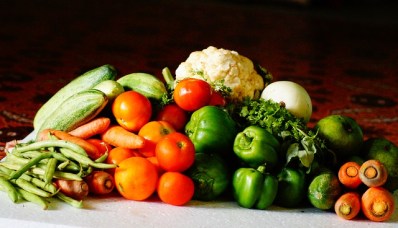 Food Bank of Delaware. The Food Bank of DE has received a 3 year grant from Giant Food’s Our Family Foundation. This grant allows the Food Bank of DE to partner with Delaware Pediatrics in a pilot program entitled “Produce Prescriptions”. The pilot will allow participating Delaware Pediatrics offices to identify up to 120 families they feel are at risk for food insecurity and diet related health conditions, such as cardiovascular disease, obesity and diabetes. Those families will then be given a “produce prescription” which allows them to receive a monthly allotment of 15-20 pounds of fruits and vegetables from the Food Bank. These fruits and vegetables will be able to be picked up by the families at the pediatric clinic they attend. What a great idea! I have read about doctors and hospitals writing prescriptions for fruits and vegetables, but this is the first program I have heard about that provides the produce to those who are otherwise unable to purchase the produce themselves.
 town, I am happy to know that I helped connect the Food Service Director with the right person at the right State agency to move the process along. I’d also like to think that keeping in contact with her over the past few months and letting her know that people in the community supported this action strengthened the district’s resolve to see this process to fruition. Either way, it matters not. The most important thing is that kids, who would otherwise be hungry, are now able to get a nutritious lunch 4 days a week over the summer.
 The reason for my hesitancy to move forward thus far stems from the fact that I’m not a risk taker, never have been. For me, as it probably is for most people, I haven’t taken risks because of a fear of failure. One of the things I really like about the Albion book is that it is peppered with motivational quotes, at least one on every page. Several of them deal with taking risks or overcoming the fear of failure. One of the ones that really caused me to stop and think is a simple statement from Wayne Gretzky:
 disturber,” which is a term Alan Webber, cofounder of the company and magazine Fast Company, coined to refer to himself. Albion quotes Webber, who describes his philosophy as such “Telling the truth for me was all about trying to make a difference by being honest about what I saw.” I plan to take this course of action, telling the truth about what I see and hoping it makes a difference. I believe that too many mistruths, exaggerations and bald faced lies have been told with regard to poverty, people struggling with poverty, the benefits they receive and the reasons these people are living in poverty. My intent is to stand up for and with those struggling with poverty, here in this blog as well as my everyday life, and without blame or belligerence tell the truth as I see it or experience it.
 From a Simmer to a Boil