I haven”t been here in a while. I think my pot boiled over, cooked dry, and got scorched. I have been trying to figure out a way to clean my pot so that I can use it again, but nothing seemed to be working until recently. Over the 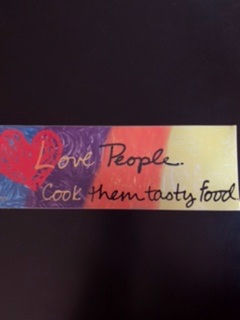 past few weeks, when I wasn’t even looking, I may have stumbled upon a solution. Isn’t that often how it works? The solution came into focus as I thought about a story I heard this weekend, a true story, about a man who for years had ground wheat into flour so that his wife could bake bread. His wife has passed away, but the man continues to grind wheat in to flour. Now his daughter drives almost 200 miles round trip to collect the wheat her father has ground and to give him 4 loaves of bread made from the wheat she collected the previous month. This story almost moved me to tears. This man’s love for his departed wife, the daughter’s love for her father and mother, and her willingness to keep this tradition they established alive is beautiful and what is needed in our world.
I heard the story in my kitchen, as I was spending the afternoon cooking. I was cooking for not only my family, but for a couple neighbors who for health reasons need some help with meals. I cooked all afternoon and was exhausted when I was done, but my heart was also very full. I love to cook for others, always have. My husband and I recently had our annual Mardi Gras party. Every year in the middle of the party I think to myself, this is the last year. I do not do well in large gatherings, preferring instead smaller functions. But each year as the time to start planning for the Mardi Gras party rolls around, I find myself excitedly looking forward to the party. Sure I like to see the people attending the party, but what I am really excited about is the cooking I will do for the party and the pleasure I experience as our guests enjoy the food.
I find cooking restorative and I am not the only one. My friend, Sharon, and I share a love of cooking, and recently she sent me a cookbook for my birthday. In the letter, which accompanied the cookbook she told me to read the book from cover to cover. While I have often looked at each page of a cookbook, I have never read a cookbook from cover to cover, but I trust her advice, so I started reading. A few pages into the book the author talks about how she had fallen out of love with life, seeing only darkness on the horizon, resulting in her trying to take her own life by stepping into the path of an oncoming bus. As she was talking to the psychiatrist shortly after the incident, all she can think about is baking a pie. Once she returned home, she baked that pie, and even though she had never been much of a cook, she decided to continue cooking. She says that cooking changed her life (I imagine she also got some psychiatric help too!).
I’m not certain why my friend told me to read this book from cover to cover, but I am grateful. While I have not been suicidal, I have had a difficult time keeping my spirits up these past few years. That is part of the reason I have stopped writing. The subject of food insecurity was so depressing; it still is. It actually may be even more so because I don’t see the problem getting better any time soon. In fact, I think there is a strong possibility that it will get worse and sooner rather than later. My heart was heavy and the act of writing this blog seemed futile, but these events of the past couple of weeks have cleared away some of the gloom. They have also reminded me of this quote I so love, “Do not be daunted by the enormity of the world’s grief. Do justly, now. Love mercy, now. Walk humbly, now. You are not obligated to complete the work, but neither are you free to abandon it.”. *
I have realized that cooking is my path forward. I can not solve the problem of food insecurity, but I can cook for others and in doing so keep up my own spirits. I love the act of cooking, all of it. The finding of the recipe, the shopping, the chopping, the combining. Notice I didn’t say the doing of the dishes! But more importantly than it just being an enjoyable pasttime, it feeds my soul by allowing me to help and bring pleasure to others. Cooking is now and has always been my expression of love, for my family, friends, neighbors and even strangers. It’s what helps me celebrate the good times and gets me through the bad. And on that note I am going to close so that I can put the finishing touches on a meal I am delivering to one of my neighbors and start dinner for my own family. Bon Appetit!
*I have always attributed this quote to the Talmud, but in searching for the quote I could not find it’s definitive source.
 This past Saturday I spent the morning at a training session for a new program, sponsored by the Chester County Food Bank (CCFB), called Taste It!. I went to the training with another volunteer from the food cupboard. In addition to us, attendees included a few nutrition students from West Chester University, a representative from another food pantry and several individuals interested in volunteering with this program through the CCFB at various food pantries and at the Fresh2You Mobile Market. Volunteers with the Taste It! program prepare a nutritious recipe, provide samples of the prepared recipe and information about healthy cooking on a limited budget.
 overview of the program and proceedures, included a tour of the facility and a basic cooking and knife skills demonstration by a guest chef. We finished the training with hands on cooking of some of the recipes. The attendees were divided into 4 groups and prepared 4 different recipes provided by the Food Bank. Once completed we sampled all of the dishes and discussed the cooking process, our thoughts on the recipes and what we might discuss when presenting the recipe. For participating in the Taste It! program our food cupboard will receive a cooking kit, which includes bowls for ingredient display and mixing, measuring spoons and cups, a can opener, a cutting board, a knife, cooking utensils, a few basic ingredients like seasonings, oil, vinegar and soy sauce and an electric skillet for preparing the recipes. These items will facilitate the implementation of this program.
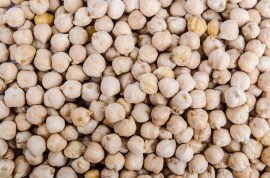
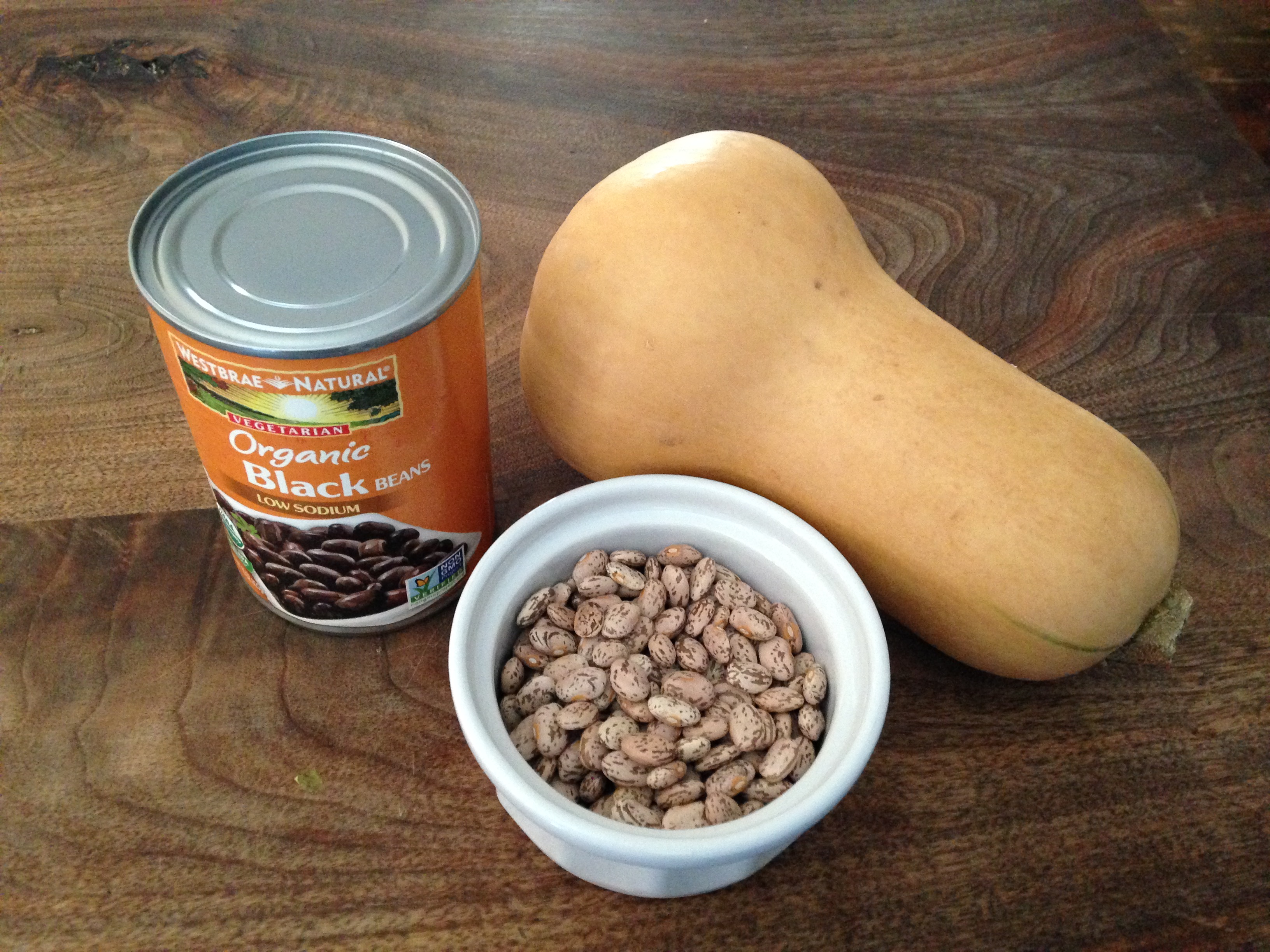
 This is not going to be a post about the magical beans for which Jack traded his family cow, although trading a cow (beef or any other meat for that matter) for beans in your diet once in a while is as good a trade as the one Jack made. The beans to which I am referring are the beans you eat, and more specifically dried beans. Dried beans are a valuable weapon in both the fight against hunger and the struggle to stretch food dollars. Dried beans are cheaper than canned beans and can be stored for extended periods of time if kept in a cool, dark place. Beans are such a good source of protein that the USDA classifies them in the Protein Food Group in the recommended dietary guidelines, making them an economical and healthy meat substitute. The USDA also classifies them as part of the Vegetable Group because they are high in fiber, which is good for lowing your risk for diabetes and heart disease. Fiber also takes longer to digest, so foods high in fiber will help you feel fuller longer. Finally beans are high in antioxidants, helping to protect your cells from free radicals, and are low in sugar, which means they help prevent insulin in the blood from spiking. In spite of their health benefits and economical cost, most Americans do not incorporate beans into their diet, and when they do they often opt for canned beans over dried beans.
 off. One just has to plan ahead to incorporate dried beans into your diet. If you do it regularly, cooking beans will become almost effortless, whether you do it weekly or every couple of days.
 Mark Bittman’s method requires little foreplanning, but does require you have a bit of extra time, as beans that have not been presoaked will take a longer to cook. To shorten the cooking time by 1/2 or more presoak the beans in salted water (2 teaspoons salt per 1 quart of water) overnight or at least several hours. When cooking beans always keep an inch or so of water over the beans and only salt the beans toward the end of cooking, within the last half hour. If you are not going to mash your and you want to preserve their appearance, let the beans cool in their cooking liquid before draining so that the skins do not dry and crack.
 Tuesday I found myself with some unexpected free time. Due to a weather forecast of 4-8″ of snow, food pantry clients had been rescheduled to another day, so I did not have to volunteer. I assumed, however, because of the forecast that my kids would be home from school for the day. It did snow all day, but the temperature never dipped below freezing, so nothing stuck to the roads. The kids only had a two hour delay (sorry guys!) and I didn’t have to volunteer. What to do with this unexpected gift?! I decided to spend the day going through a cookbook my brother and sister in law gave me for Christmas, entitled Smokehouse Ham, Spoon Bread, & Scuppernong Wine: The Folklore and
 Art of Southern Appalachian Cooking, by Joseph E. Dabney.
 backyard or local woods, but it is there. There is a group in Philadelphia,
 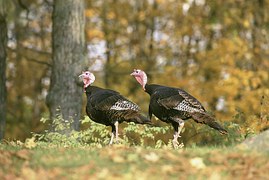 . Likewise, our tastes have changed so that few could imagine eating opossum, but I know many families locally, who still supplement their diet with venison, rabbit, wild fowl and small birds, like dove. The Chester County Food Bank participates in the Pennsylvania program, Hunters Share the Harvest, where hunters can share extra venison with food banks. I just had a client ask me last week if we had any venison.
 nother easy practice, which reduces waste and creates cooking stock, is to save parts of produce you are not going to eat, like the end of a carrot or broccoli stalks, in the refrigerator. Once you have a decent amount of this vegetable matter, follow the same steps as with making chicken stock. This process will result in vegetable stock at no extra cost. Finally, I save most of the fat rendered from frying bacon. I put it in a container in my refrigerator and use small amounts not only for frying foods, like potatoes, but also to flavor braising water for vegetables when I don’t have any stock on hand.
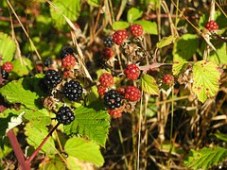 the fields due to herbicides or planting practices. My grandfather, sharer of persimmons, has long since passed away. Like the memories of my youth, passing down the practice of cooking from scratch and cooking methods used to stretch the meager food resources of a family have largely disappeared too, especially as busy parents rely more and more on processed, already prepared, packaged food. Unfortunately, we are losing more than we realize when we give up these practices.









 From a Simmer to a Boil